Frozen Pipes: How to Prevent Them, Thaw One Safely and Lag the Voids
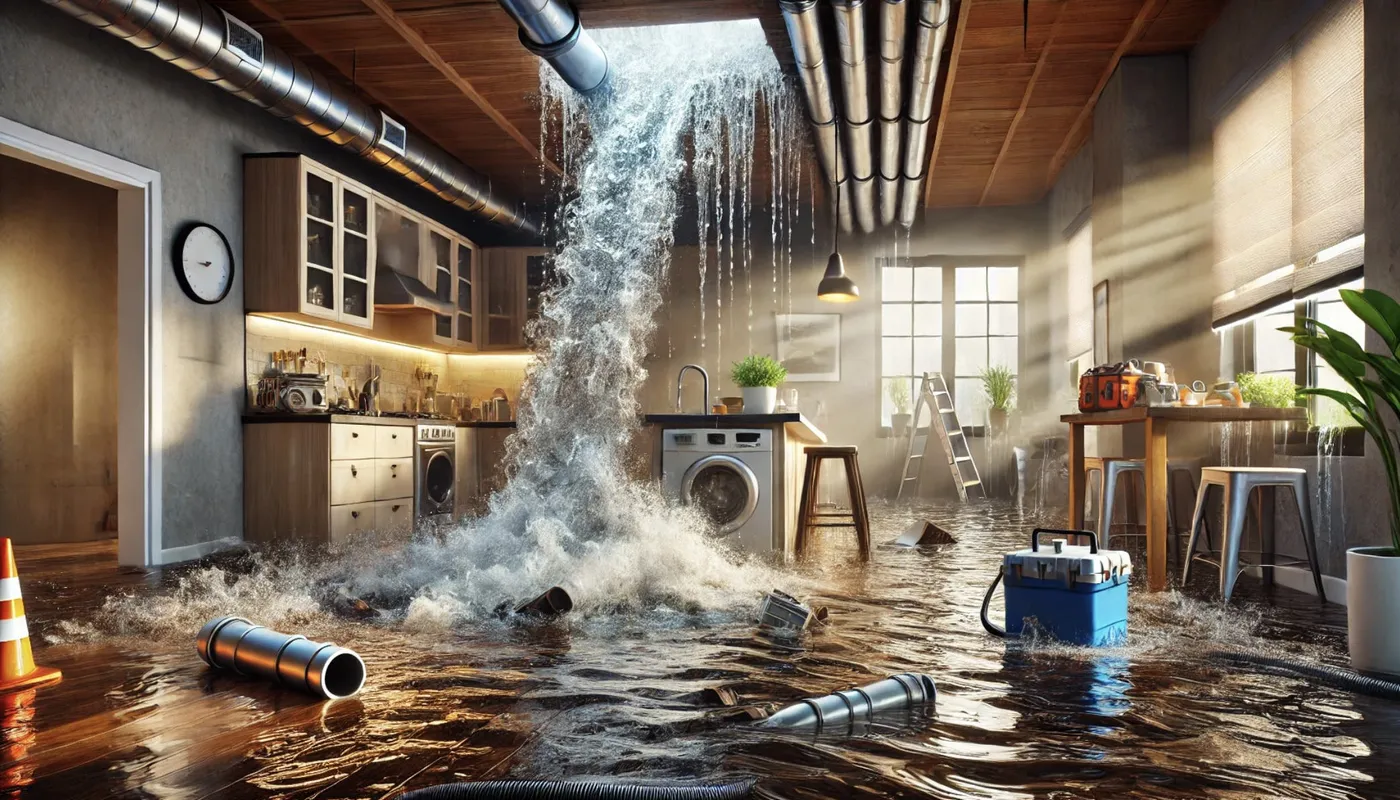
Frozen pipes can cause extensive damage. We guide you through prevention, safe thawing, and the crucial insurance process for trace and access to recover costs.
Preventing Frozen Pipes: Your First Line of Defence
Preventing a freeze is always preferable to dealing with a burst. Insurers expect policyholders to take reasonable steps to protect their property, especially during known cold spells. The core principle is to keep water moving and spaces warm. Insulate all exposed pipes in lofts, basements, and external walls. During severe frost, keep your heating on a low constant setting, even if the property is unoccupied. Opening cupboard doors to let warm air circulate around pipes under sinks can make a critical difference. Don't forget to drain and isolate outdoor taps. Documenting these preventative measures, such as keeping receipts for insulation materials, can support your position should a claim arise.
How to Safely Thaw a Frozen Pipe (And What to Document)
If a pipe freezes, safe thawing is vital to prevent it from bursting. First, locate the freeze, often where pipes are exposed. Slowly apply gentle heat using a hairdryer or hot water bottle, starting from the tap end and working back. Never use a blowtorch or open flame. Keep the affected tap open so water can flow as it melts. Crucially, from the moment you suspect a problem, start documenting. Take clear photos and videos of the frozen section, any visible ice, and the steps you take to thaw it. This visual timeline is invaluable evidence for your insurer, demonstrating the incident and your mitigating actions, which aligns directly with trace and access reporting requirements.
The Insurance Process: Trace, Access, and Cost Recovery
If a pipe bursts, the immediate priority is to stop the water flow at the stop tap. Then, contact your insurer. They will require a professional leak detection specialist (like our engineers) to perform a 'Trace and Access' investigation. This is a formal, documented process to locate the precise source of the leak, often hidden within walls or under floors, and to gain necessary access for repair. Insurers mandate this to validate the claim, scope the damage accurately, and control costs. Our reports provide the detailed methodology, findings, and imagery they need. We work to their frameworks, ensuring all investigative work is justifiable and recoverable under your policy, turning a reactive emergency into a managed, documented procedure.
Understanding what constitutes 'trace' and 'access' is key. 'Trace' is the non-destructive investigation using moisture probes, thermal imaging, and acoustic equipment to pinpoint the leak. 'Access' is the controlled, minimal damage required to reach the leak for repair. Insurers will typically cover the reasonable costs of both, but only if properly scoped and reported. Uncontrolled exploratory work by unauthorised contractors may not be recoverable. Our role is to execute this investigation to insurer standards, providing a clear audit trail from initial detection to final repair recommendation, safeguarding your claim.
Finally, post-repair, ensure all documentation is collated: our leak detection report, the plumber's repair invoice, and any reinstatement quotes. This complete package supports the final claim settlement. By understanding this procedural axis (prevention, documented response, and insurer-aligned investigation) you transform a stressful event into a managed process, ensuring damage is minimised and costs are correctly recovered.
How we help with this
If the article describes a problem you actually have, these are the visits that deal with it.
- burst pipe repair
A split or burst pipe isolated and repaired, day or night.
- our full guide to leak detection
How each method works and when it is the wrong tool for the job.
- leak detection in London
Finding a hidden leak without opening the property up first.
Frequently asked questions
Will my insurance cover the cost of finding a leak from a frozen pipe?
Most buildings insurance policies include 'Trace and Access' cover as standard. This is designed to cover the reasonable costs of locating the source of a hidden leak and gaining necessary access for repair. It is crucial to use a specialist who understands insurer reporting requirements to ensure these costs are fully recoverable.
What should I do immediately after discovering a burst pipe?
Turn off the water at the main stop tap to prevent further damage. Then, contact your insurer to notify them of the claim. They will often instruct you to appoint a leak detection specialist. Avoid starting any exploratory demolition yourself, as this can complicate the claim. Document everything with photos and notes from the outset.
Why do insurers require a formal leak detection report?
Insurers require a detailed, professional report to verify the cause and precise location of the damage. This controls claim costs by preventing unnecessary exploratory work, ensures repairs are targeted and correct, and provides the documentary evidence needed to settle the claim efficiently and in line with policy terms.