Water Coming Through a Ceiling: Make It Safe First, Then Record the Evidence
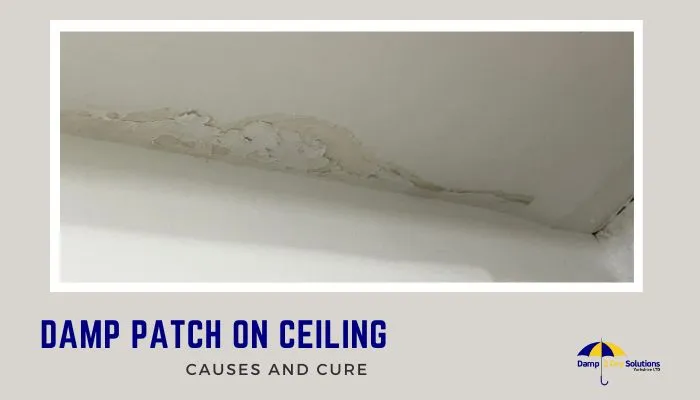
A clear guide on immediate actions to take when water appears through your ceiling, focusing on minimising damage, satisfying insurer requirements, and ensuring accurate leak source documentation.
Discovering water coming through your ceiling is an urgent situation. Beyond the immediate property damage, how you respond in the first few hours is critical for a successful insurance claim. Insurers require a clear chain of events and professional documentation to validate the cause and necessary repairs, especially under 'trace and access' provisions. This guide outlines the steps to protect your property and your claim.
Immediate Actions to Mitigate Damage and Start Documentation
Your first priority is to prevent further damage and start creating a clear record. Move any furniture or valuables away from the affected area immediately. Place buckets or containers to catch the water, and if safe, lay down towels on the floor. Crucially, start taking clear, well-lit photographs and videos. Document the water ingress point on the ceiling, any pooling water, damaged possessions, and any visible signs of the leak's path. This visual timeline is vital evidence for your insurer.
Next, you must contact your insurance provider to notify them of the incident. Do this as soon as possible, following their specific claims procedure. They will advise on their approved contractors and the documentation they require. It is essential you understand your policy's 'trace and access' coverage, which typically covers the cost of locating the source of the leak, even if it involves investigative work like lifting floorboards or breaking into walls.
The Critical Role of Professional Leak Detection
Insurers will almost always require a professional, evidence-based diagnosis of the leak's origin. Simply repairing the visible ceiling damage is insufficient and may lead to a rejected claim if the root cause recurs. Our engineers are specialists in this precise, forensic process. Using equipment like acoustic listening devices, thermal imaging cameras, and tracer gas, we can pinpoint the exact source (be it a leaking pipe, faulty radiator valve, or failed seal) without unnecessary destructive searching.
Our detailed report, complete with photographic evidence, method of investigation, and a clear conclusion on the leak's origin and location, is designed to satisfy insurer requirements. This report forms the technical foundation for your claim, proving the necessity of both the 'trace and access' investigation and the subsequent repairs. It turns an ambiguous incident into a documented, recoverable event.
Coordinating Repairs and Claim Recovery
Once the leak source is professionally identified and documented, repairs can proceed with certainty. Our findings allow for targeted, minimally invasive repairs, which can help control costs. Keep all documentation (from our initial report to all contractor invoices) in a single file for your insurer. Clear, itemised invoices that separate the cost of leak detection (trace and access) from the cost of the actual repair work are essential for smooth claim processing.
Remember, the goal is full cost recovery where your policy permits. By following this procedural path (immediate mitigation and documentation, professional leak source identification, and coordinated repairs) you provide your insurer with the unambiguous evidence they need. This structured approach not only restores your property efficiently but also safeguards your financial position by maximising the likelihood of a fully validated claim.
How we help with this
If the article describes a problem you actually have, these are the visits that deal with it.
- damp and moisture surveys
Moisture mapping that separates a leak from condensation or damp.
- our full guide to leak detection
How each method works and when it is the wrong tool for the job.
- leak detection in London
Finding a hidden leak without opening the property up first.
Frequently asked questions
Will my home insurance cover the cost of finding the leak?
Most home insurance policies in the UK include 'trace and access' cover, which is specifically designed to cover the costs of locating the source of a leak, even if it involves investigative work. You must check your specific policy wording and follow your insurer's notification procedures to ensure coverage.
Why can't I just repair the ceiling and fix the obvious leak?
Insurers require proof of the root cause to validate a claim. The visible leak in the ceiling is often a symptom; the source could be metres away. Without professional detection to pinpoint the exact origin, repairs may be incomplete, leading to repeat damage and a likely rejected claim for subsequent incidents.
What documentation do you provide for an insurance claim?
We provide a comprehensive report detailing our investigative methodology, the diagnostic equipment used, photographic evidence of findings, and a clear, conclusive statement on the exact origin and cause of the leak. This report is tailored to meet insurer requirements for 'trace and access' claims and forms the technical justification for all subsequent repair work.