Signs of a Hidden Water Leak, and Which of Them Testing Can Confirm
Identifying the hidden signs of a water leak is crucial for meeting insurer trace & access requirements and protecting your property.
For homeowners, a hidden water leak represents more than just an inconvenience; it’s a potential threat to your property’s structure and a test of your insurance policy’s coverage. Insurers typically require clear evidence of both the leak and the necessary investigative work (known in the industry as ‘trace and access’) before approving a claim. Recognising the early, subtle signs is therefore the critical first step in a process designed to protect your home and validate your claim.
Unexplained Changes in Your Water Meter or Bill
One of the most reliable indicators of a hidden leak is your water consumption data. If your meter reading increases despite no change in your household usage, or you receive an unexpectedly high bill, it strongly suggests water is escaping unseen. For insurance purposes, documenting this anomaly is vital. We recommend taking a meter reading overnight when no water is being used; if the meter moves, you likely have a leak. This documented evidence forms a foundational part of your claim, demonstrating a proactive approach to identifying the problem.
Visual and Auditory Clues Within Your Property
Insurers expect policyholders to act upon reasonable signs of damage. Key visual clues include unexplained damp patches, blistering or peeling paint, and warped skirting boards or flooring. In bathrooms and kitchens, look for persistent mould growth in isolated areas or tiles that sound hollow when tapped. Auditory signs are equally important. The sound of running water when all taps are off, or a faint hissing from within walls, can pinpoint a leak’s location. Reporting these specific observations to your insurer, supported by photos or notes, strengthens your trace and access justification.
The Role of Professional Leak Detection
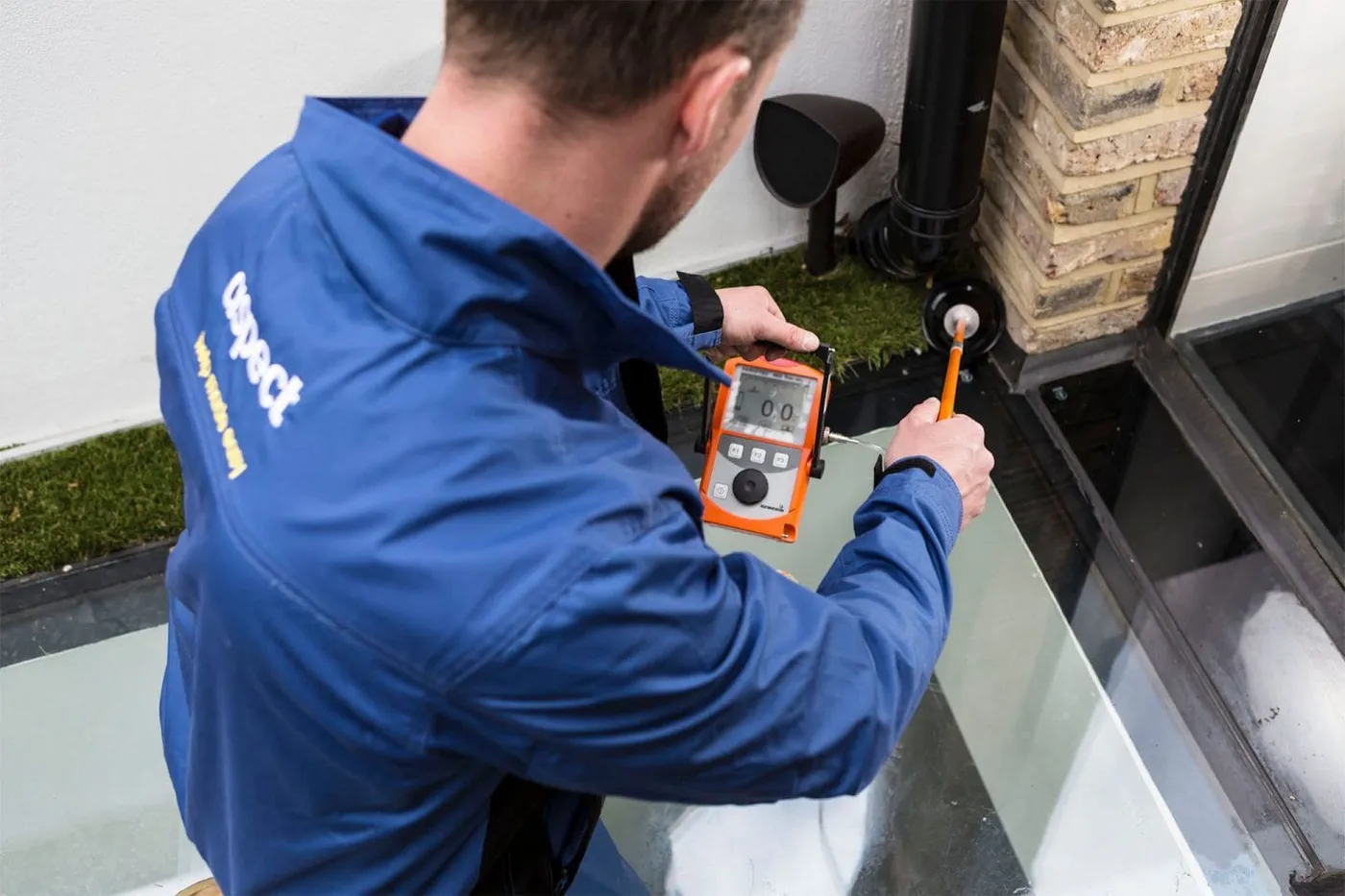
Once you suspect a leak, the next step is often engaging a specialist. Our engineers use non-invasive acoustic, thermal, and moisture detection equipment to locate leaks without unnecessary damage. This precise methodology is exactly what insurers look for in a trace and access claim, as it minimises restoration costs and provides a clear, professional report on the leak’s source and cause. Submitting this detailed report with your claim is central to recovering the investigation costs and ensuring the subsequent repair work is covered.
Navigating the Claims Process with Evidence
The entire process, from initial suspicion to final repair, must be carefully documented for a successful insurance outcome. Keep a chronological log of all signs, communications with your insurer, and reports from professionals. Photograph all visible damage and preserve any correspondence. This creates a clear narrative that demonstrates the necessity of the trace and access work, fulfilling your policy conditions and framing the costs as a legitimate recovery. Our role is to provide the technical evidence that turns your suspicion into a validated claim.
Spotting a hidden leak early protects your home from escalating damage and safeguards your financial position by ensuring your insurance claim is robust and compliant. By understanding these signs and the procedural requirements of your insurer, you can navigate a stressful situation with confidence, ensuring the leak is resolved efficiently and your claim is settled fairly.
How we help with this
If the article describes a problem you actually have, these are the visits that deal with it.
- leak detection in London
Finding a hidden leak without opening the property up first.
- our full guide to leak detection
How each method works and when it is the wrong tool for the job.
Frequently asked questions
Will my home insurance cover the cost of finding a hidden leak?
Most home insurance policies include 'trace and access' cover, which is designed to pay for the investigative work needed to locate the source of a hidden leak. However, insurers require evidence that the work was necessary and professionally conducted. Providing a detailed report from a qualified leak detection specialist is typically essential to recover these costs.
What evidence should I gather for my insurer if I suspect a hidden leak?
Start by documenting any unexplained signs, such as photos of damp patches, warped flooring, or mould. Record your water meter readings over a period of no usage. Keep all communications with your insurer and, crucially, obtain a comprehensive report from the leak detection engineer. This report should detail their findings, the methods used, and confirm the leak's source.
Why is professional leak detection important for an insurance claim?
Professional leak detection provides the objective, technical evidence insurers require. Our non-invasive methods pinpoint the exact location of a leak with minimal disruption, which validates the need for the investigative work and justifies the associated costs. An insurer is far more likely to accept a claim supported by a specialist's report than one based on guesswork or invasive exploratory digging.