How to Read a Water Meter to Confirm a Hidden Leak: The Overnight Test
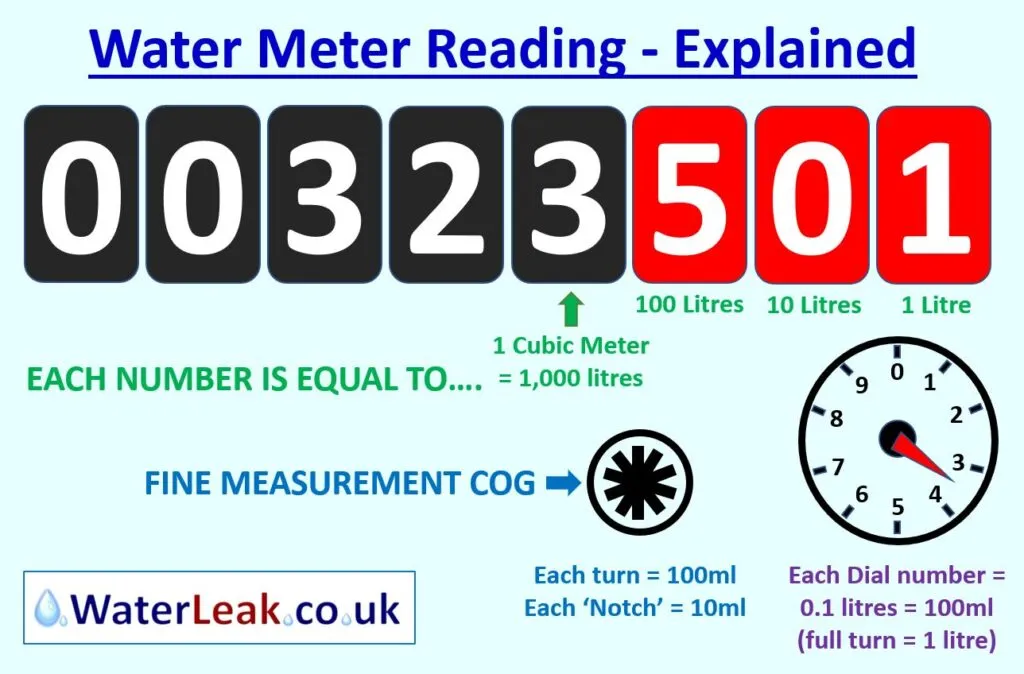
A step-by-step guide on how to read your water meter to detect hidden leaks, ensuring you have the documentation required by insurers for trace and access claims.
Why Your Water Meter Reading is Crucial for Insurance
When you suspect a hidden leak, your insurer will require documented proof before approving a trace and access claim. The first and most critical piece of evidence is a discrepancy in your water meter readings. This simple check can confirm an ongoing leak, providing the justification needed for your insurer to cover the costs of our specialist leak detection and subsequent repairs. Proper documentation from the outset streamlines the claims process and supports cost recovery.
Step-by-Step Guide to Reading Your Meter
First, locate your water meter. It's typically found near the property boundary, in a small chamber covered by a plastic or metal lid, or inside your home near the stop tap. Ensure no water is being used in the property. Take an initial reading, noting all the numbers, including the red dials (which measure litres). For a definitive leak test, isolate your internal supply by turning off the internal stop tap. Wait a set period, such as one hour. Return and check the meter again. If the numbers, especially the red dials, have increased despite all water being off, you have confirmed a leak. Photograph both readings clearly, including the meter serial number.
This documented test provides insurers with the primary evidence they need: proof of an active, unexplained water loss. Without this, a trace and access claim may not proceed. Our engineers frequently begin assessments by verifying this same procedure, as it forms the foundation of a legitimate insurance claim.
From Meter Reading to a Successful Insurance Claim
A confirmed meter reading is just the start. Once you have your evidence, contact our team. We specialise in the precise, non-destructive location of leaks, which is the 'trace' element insurers require. Our detailed reports, which include the exact location and cause of the leak, satisfy the 'access' portion of the claim, justifying the need for any opening up or reinstatement work. Following insurer-approved procedures from the meter check through to final repair is essential for full cost recovery. We work to the standards insurers expect, providing the comprehensive documentation they require to settle your claim efficiently.
Remember, attempting to locate and repair a hidden leak without following proper procedures can jeopardise your claim. Insurers expect professional leak detection to minimise damage and provide auditable proof. Our role is to bridge the gap between your initial suspicion and your insurer's requirements, ensuring every step is validated and documented.
How we help with this
If the article describes a problem you actually have, these are the visits that deal with it.
- our full guide to leak detection
How each method works and when it is the wrong tool for the job.
- leak detection in London
Finding a hidden leak without opening the property up first.
- underground water leak detection
Supply pipe leaks under drives, gardens and pavements.
Frequently asked questions
What if my meter is hard to read or access?
If the meter chamber is flooded or the dial is obscured, do not attempt to clear it yourself, as this could compromise evidence. Contact us directly. Our engineers are equipped to safely document the initial meter reading as part of the leak detection process, maintaining the chain of evidence insurers require.
Will my insurer accept a meter reading I took myself?
Yes, provided it is clear, dated, and shows a definitive test (like the stop tap test). Clear photographs are key. This initial evidence is often what triggers the insurer's approval for a professional leak detection investigation. Our subsequent report will corroborate your findings.
How does a professional leak detection report help with my claim?
Insurers require proof that a leak existed, its precise location, and why specific areas needed to be opened up (the 'trace and access'). Our report provides this technical justification, linking the initial meter evidence to the exact point of repair. This structured documentation is essential for validating all associated costs for reinstatement and recovery.