Is a Water Leak an Emergency? How to Triage the Risk Before You Call
Understanding when a water leak constitutes an emergency is crucial for property protection and navigating insurance requirements, including the essential Trace & Access process.
When Does a Water Leak Become an Emergency?
For property owners and insurers alike, classifying a water leak correctly is the first critical step. A true emergency involves immediate, ongoing water ingress that is causing active damage to the structure, fittings, or furnishings. This includes major bursts, significant leaks from ceilings or walls, or any situation where water is spreading rapidly and cannot be safely contained. In these scenarios, the priority is to stop the water flow to mitigate further loss, a core requirement for any subsequent insurance claim.
However, many leaks are concealed, with only subtle signs like a damp patch, a faint musty smell, or a slowly increasing water bill. While these may not demand a 2am call-out, they are still urgent. Left unaddressed, hidden leaks lead to progressive damage like rot, mould, and structural weakening, which can complicate insurance assessments and increase the final claim value. From an insurance perspective, demonstrating you took prompt, reasonable action upon discovery is key, whether the leak is visibly catastrophic or secretly persistent.
The Critical Link to Insurance & Trace & Access
Once the immediate water flow is stopped, the focus shifts decisively to investigation and documentation. This is where the formal Trace & Access process begins. Most insurance policies recognise the cost of locating the source of a hidden leak: this is 'Trace'. 'Access' covers the reasonable costs of exposing that source, which may involve removing tiles, floorboards, or sections of wall.
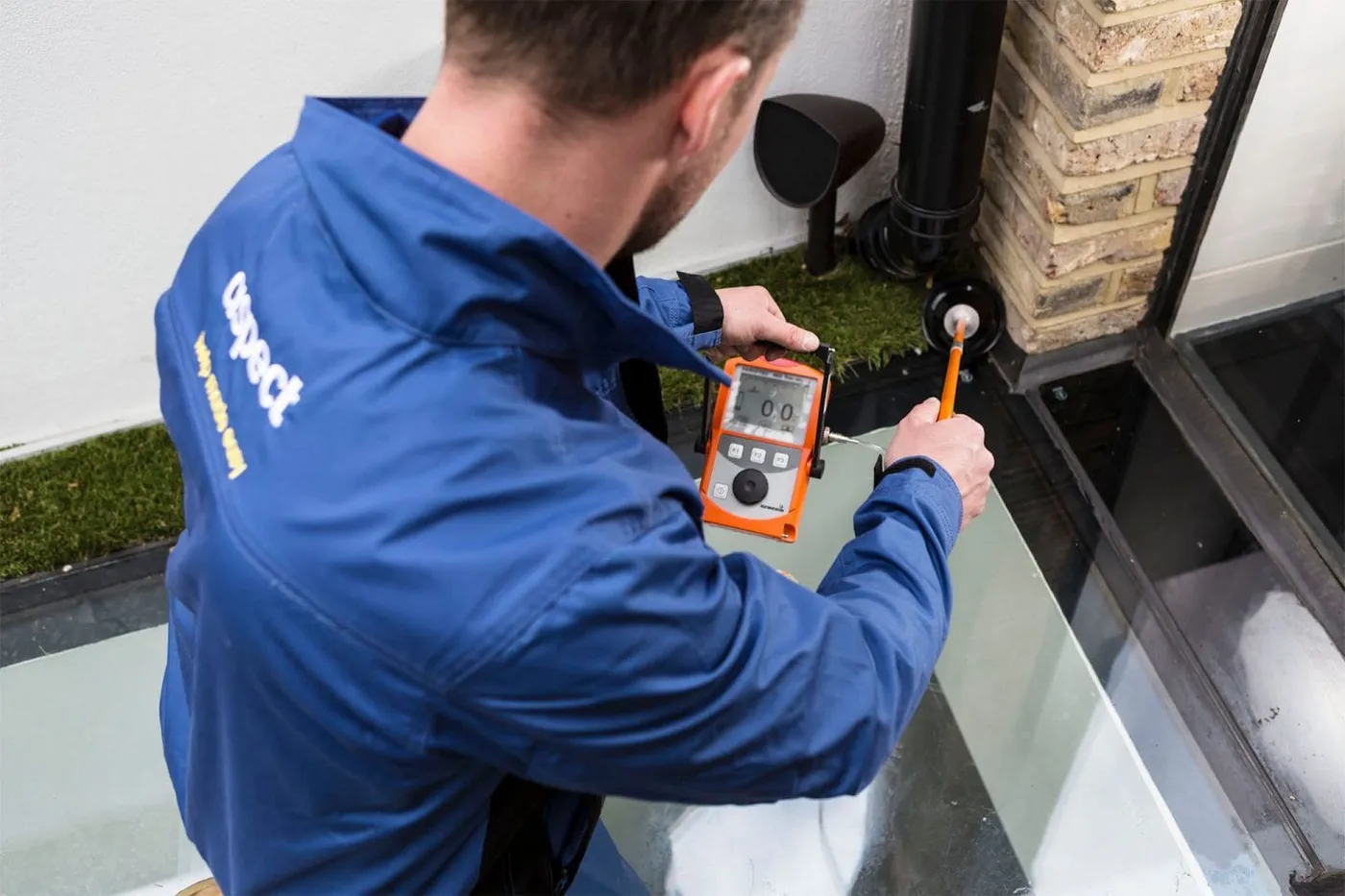
Our role as leak detection specialists is central here. We operate with a clear understanding of insurer requirements. Our investigations are methodical and evidence-based, using technology like acoustic listening devices, thermal imaging, and tracer gas to pinpoint the leak source with minimal invasive probing. We provide comprehensive reports that detail our findings, the methods used, and the exact location of the failure. This documentation is not just technical data; it's the foundational evidence for your claim, proving the necessity and reasonableness of the investigative work undertaken.
Without a professional Trace & Access report, recovering these investigative costs from your insurer can be challenging. They need to see that the steps taken were necessary, proportionate, and professionally executed. Our reports are structured to meet these exacting standards, providing the clarity and justification insurers require to validate this portion of the claim.
Procedural Steps for a Smoother Claims Process
Navigating a leak with insurance in mind requires a procedural approach. First, contain the immediate issue if safely possible: turn off the water supply to prevent further damage. Notify your insurer at the earliest opportunity; they will advise on their specific claims process. Then, engage a specialist leak detection company like ours. Crucially, do not undertake significant dismantling before the leak is traced. Indiscriminate 'search and destroy' repairs can increase costs unnecessarily and may not be fully recoverable.
We work to locate the leak with surgical precision, minimising destructive exploration. Once found, we document the source extensively with photographs and notes. This precise location then allows your appointed repair plumber to carry out a targeted, cost-effective fix. By separating the detection phase from the repair phase, and by using specialists for each, you create a clear, defensible audit trail for all costs incurred, from trace and access through to the final restoration.
Ultimately, treating every significant leak with procedural rigour protects your property and your financial position. It transforms a stressful event into a managed, documented process where each cost has a justifiable reason, maximising the potential for full recovery under your policy's Trace & Access provisions. Our engineers are adept at guiding you through this, ensuring every action supports a robust insurance claim.
How we help with this
If the article describes a problem you actually have, these are the visits that deal with it.
- burst pipe repair
A split or burst pipe isolated and repaired, day or night.
- an emergency plumber in London
Attendance when water is running and damage is still spreading.
- our full guide to leak detection
How each method works and when it is the wrong tool for the job.
Frequently asked questions
Will my insurance cover the cost of finding a hidden leak?
Most building insurance policies include 'Trace & Access' cover as a standard or optional provision. This is specifically designed to cover the reasonable costs of locating the source of a hidden leak and gaining access to it. A professional, documented leak detection report is typically essential to validate this part of your claim.
Should I start removing flooring or walls before you arrive to find the leak?
We strongly advise against this. Indiscriminate exploration can cause unnecessary damage and increase costs, which may not be fully recoverable from your insurer. Our non-invasive and minimally invasive detection methods are designed to pinpoint the leak precisely first. This targeted approach provides the justification insurers need for any subsequent access work.
What documentation do you provide for an insurance claim?
We provide a detailed professional report that includes our findings, the diagnostic methods used (e.g., thermal imaging, acoustic analysis), photographic evidence of the leak location, and a clear explanation of the source. This report is structured to meet insurer requirements, serving as key evidence for both the Trace & Access element and the overall claim justification.