Plastic vs Copper Pipework: How Each One Fails and What That Means for a Block
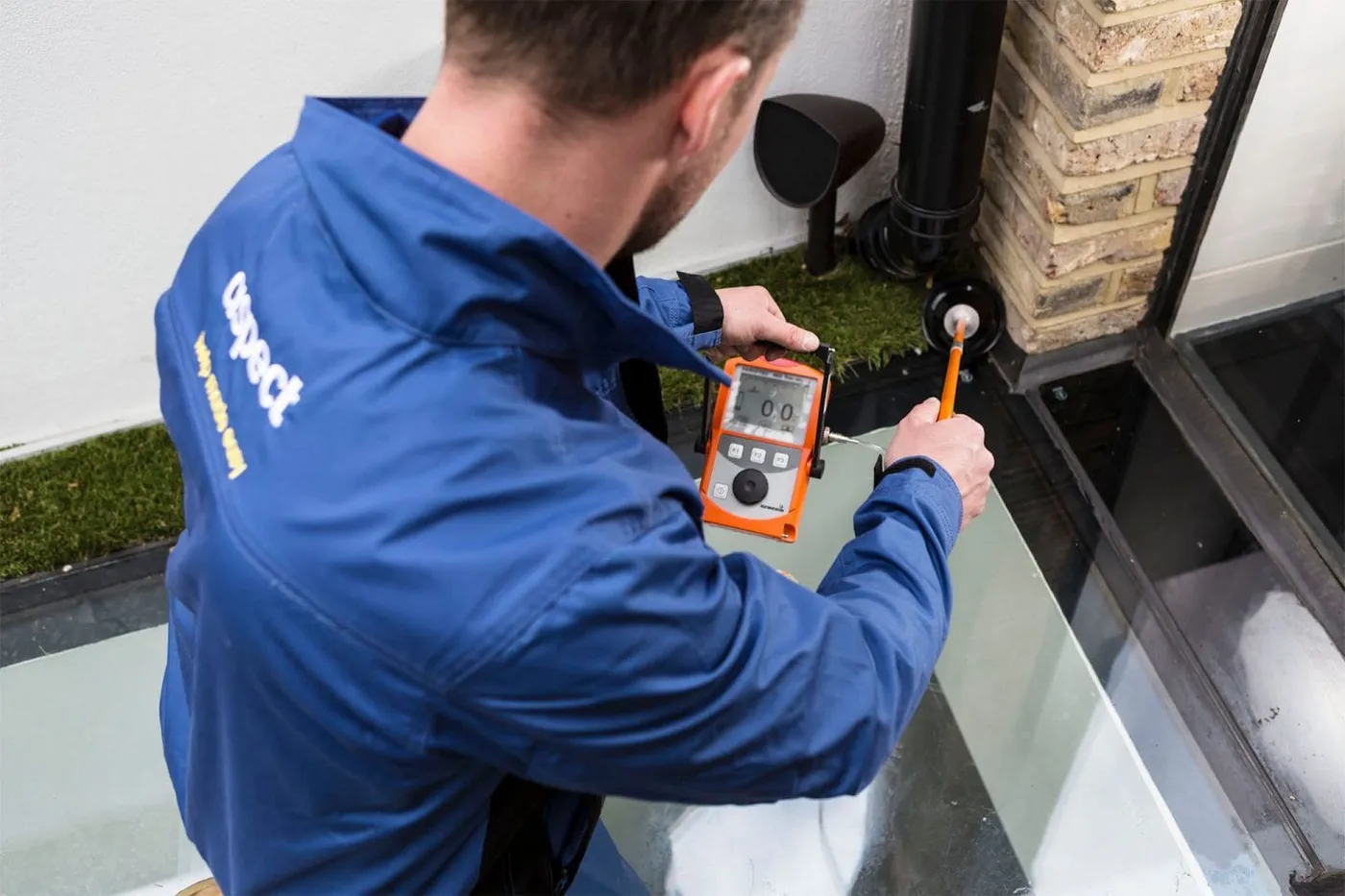
The choice between plastic and copper pipework significantly impacts leak risks and insurance claim requirements. Our guide explains the implications for documentation and cost recovery.
Why Pipe Material Matters for Your Insurance Claim
When submitting a leak-related insurance claim, particularly under trace and access provisions, the type of pipework involved is not a minor detail. Insurers require a clear understanding of the installed system's materials to assess liability, understand the failure mechanism, and process claims efficiently. The fundamental differences between plastic (such as PEX or polybutylene) and copper piping influence how leaks develop, how we trace them, and the documentation needed to support your claim.
Leak Characteristics: Plastic vs Copper Systems
Copper pipework typically fails due to corrosion, pinhole leaks from aggressive water, or physical damage. These leaks can be sudden but often present as a gradual weep. The location is frequently at joints or along a length where protective lining has failed. Plastic piping, while resistant to corrosion, has its own failure modes. These can include failures at push-fit or compression joints not fully seated, issues with pipe clips allowing movement and stress, or, in older systems, material degradation. Leaks in plastic systems can sometimes be more challenging to trace visually as water can travel along the pipe within sleeves or cavities before appearing.
Our leak detection process accounts for these material behaviours. For copper, we may use acoustic listening equipment to pinpoint the precise sound of a pressurised leak. For plastic systems, where sound travels differently, we often combine acoustic methods with thermal imaging to trace temperature changes caused by escaping water along a pipe's run. This methodological difference is noted in our detailed report, providing insurers with the technical rationale for our approach, a key requirement for cost recovery under trace and access.
Documentation for Insurers: Proving Cause and Extent
Insurers need unambiguous evidence to correlate the leak's cause with the installed material. Our reports go beyond simply stating the leak location. We document the pipe material comprehensively, with photographic evidence of the failed section, the manufacturer's markings (if visible), and the condition of the surrounding installation. This is critical. For example, an insurer may question a claim for a leak in a relatively new plastic system. Our documentation would show if the failure resulted from an installation error, such as an unclipped pipe causing stress on a joint, versus a material defect.
This level of detail directly supports the 'access' portion of a claim. It justifies why certain areas (a section of wall, a floorboard run) needed to be opened up to trace the leak to its source. We map the investigation path, linking each access point to the logical steps required to locate the leak within the specific pipe system. This procedural log is essential for insurers to validate that the works were necessary, reasonable, and directly related to mitigating the loss.
Ensuring a Smooth Claims Process
The ultimate goal is a swift and fully recoverable claim. By engaging a specialist leak detection company from the outset, you ensure the investigation is conducted with an insurer's evidential needs in mind. We understand the requirements for robust documentation, from initial assessment to final report. Whether dealing with the pinpoint corrosion of a copper fitting or a weeping plastic joint, our findings provide the clear, technical narrative insurers need. This turns a disruptive incident into a managed, documented process, smoothing the path for repair authorisation and full cost recovery under your policy's trace and access cover.
How we help with this
If the article describes a problem you actually have, these are the visits that deal with it.
- our full guide to leak detection
How each method works and when it is the wrong tool for the job.
- commercial leak detection
Offices, shops, restaurants and blocks, including out of hours.
Frequently asked questions
Does pipe material affect who is liable for a leak repair cost?
It can be a significant factor. Insurers assess whether the leak stems from accidental damage, gradual wear (which may have coverage limitations), or installation defects. The material evidence and our documented cause of failure help determine this liability, impacting how much of the trace, access, and repair costs are recoverable.
Why is detailed documentation for pipe material so important for insurers?
Insurers require proof that the investigative work (trace & access) was necessary and proportionate. Documenting the pipe type and failure mode justifies the methods used and the extent of disruption required to find the source. This structured evidence is foundational for validating and settling the claim efficiently.
If I have a leak, should I know if my pipes are plastic or copper before you arrive?
It is helpful, but not essential. Our engineers are trained to identify pipe materials on-site as part of the investigation. However, any information you can provide (such as the age of the property or previous work done) helps us prepare the appropriate detection equipment and initial assessment for your insurer's report.